
INDIVIDUAL CASE REPORT · N = 1
Following brain activity through cognitive aging
Cognitive aging
Longitudinal EEG observations in an older adult. Standardized memory and independence outcomes were not reported.
Case findings
Reported experience
The report describes reduced slow-frequency EEG activity over the treatment period. It does not provide a quantified improvement in memory, cognitive testing or independence in daily life.
What the EEG added
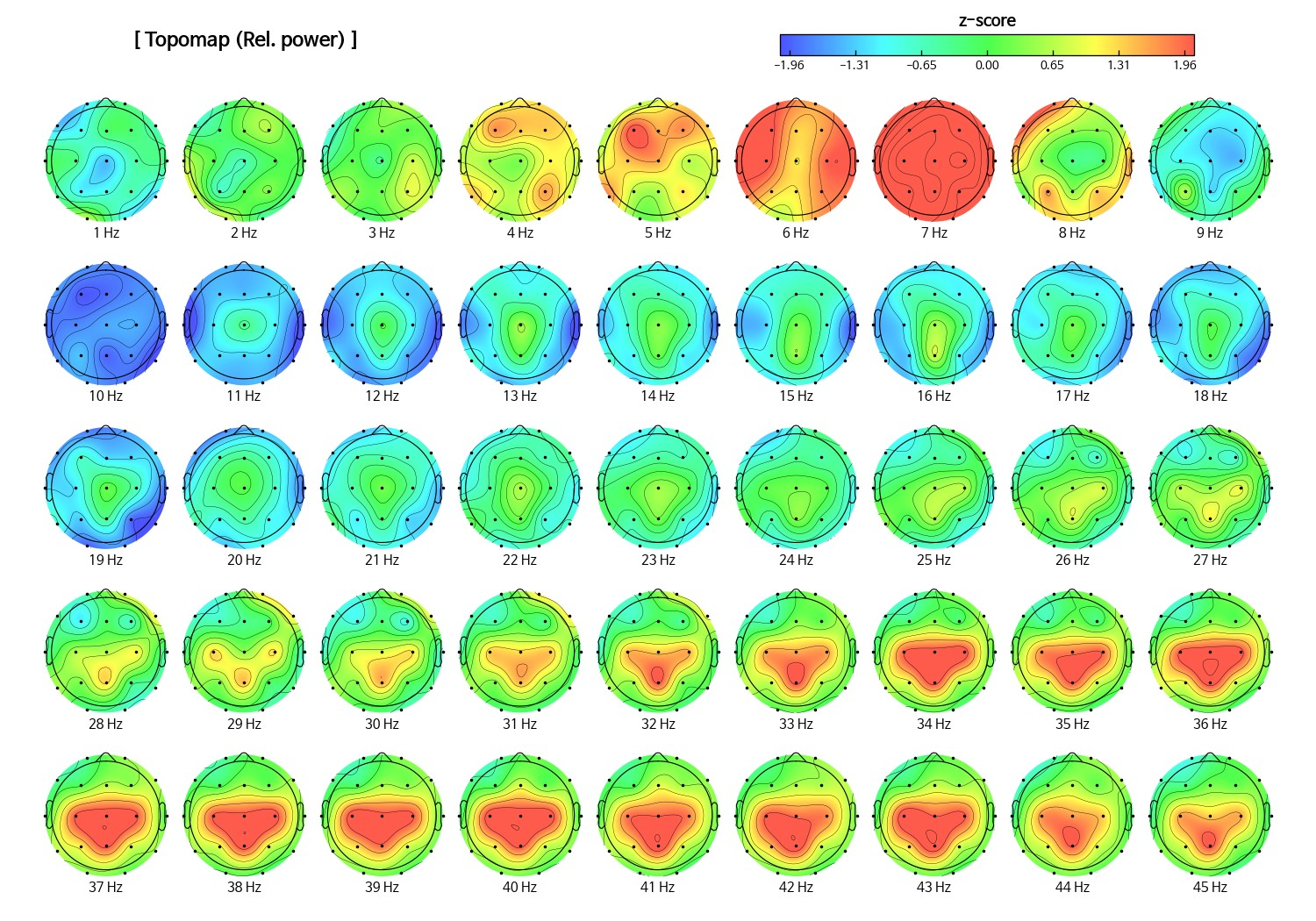
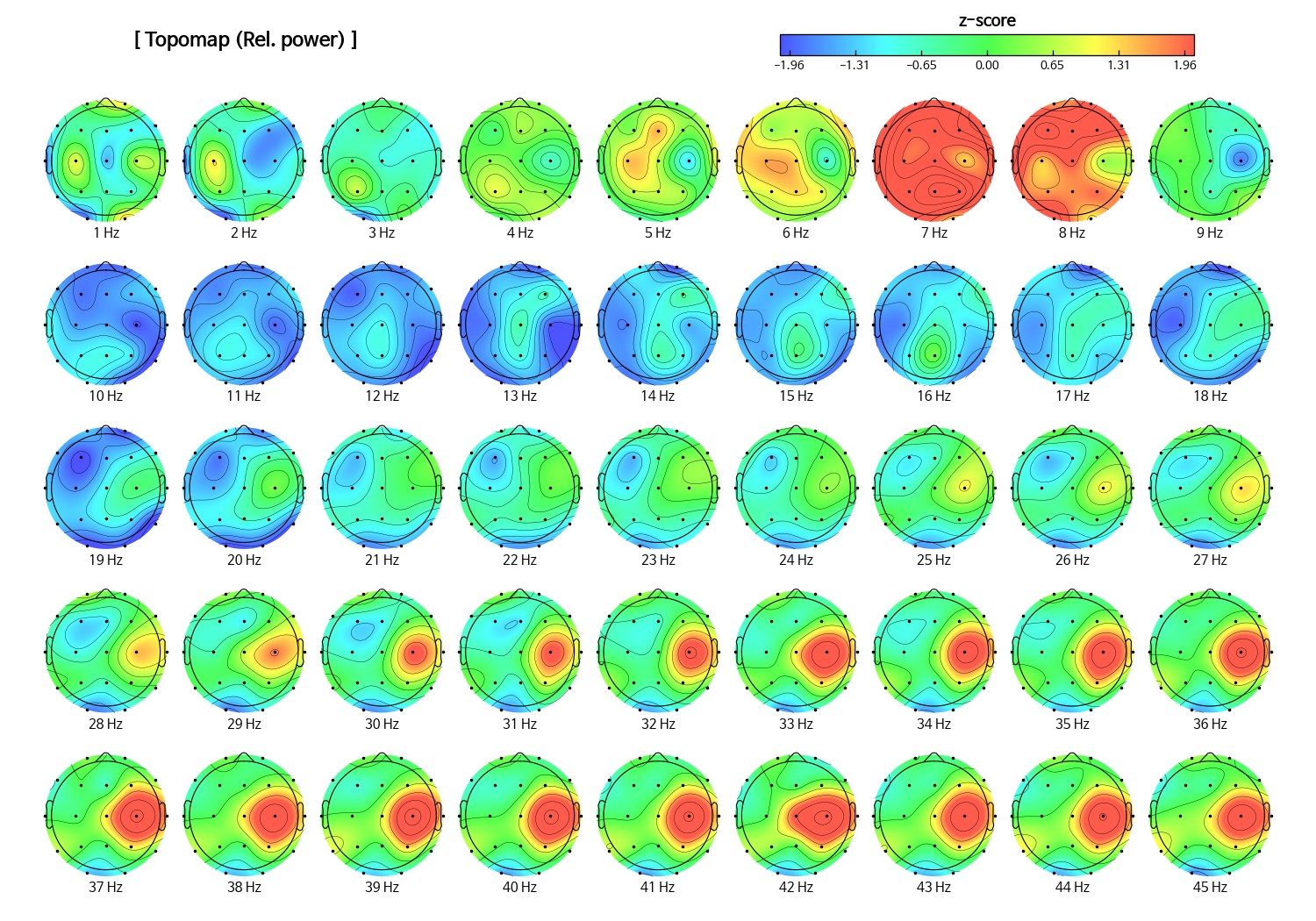
Follow-up captions describe reductions in frontal 4-5 Hz excess and bilateral 6 Hz excess, alongside increased 8-10 Hz activity. The number and dates of intermediate recordings are not specified.
Individual case observations; they do not prove a PBM effect. iMediSync PBM functionality is not FDA-cleared.
ORIGINAL FIGURES
The source evidence
Figures reproduced from the original report without altering the data. Open any image to view it at full size. Original annotations are retained.
The observed course
Sessions lasted 20 minutes, averaging three times weekly. The author describes alpha-focused stimulation, subsequent beta stimulation and the addition of 40 Hz stimulation, with changes informed by intermediate EEG measurements.
How to read this case
EEG improvement is not equivalent to demonstrated cognitive improvement. No specific dementia diagnosis, standardized cognitive score or exact completed session count is supplied in the reviewed text.
Source and documentation
Adapted from the IQPA case community. Reviewed November 6, 2026. Observations and figures come from the original report; no patient outcomes have been generated or estimated.
Read the original IQPA report (login may be required)